Industrial fan | Smart fan Overall solution service provider

Industrial fan | Smart fan Overall solution service provider


 13806436798
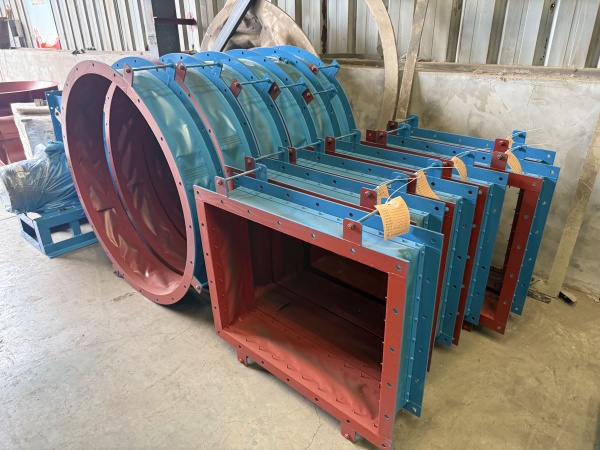
The inlet soft connection of the fan is installed at the flange of the fan inlet, which belongs to the flexible connection under negative pressure conditions. It has obvious differences in structure a
01On site installation and debugging of equipment
02Regular follow-up visits
The inlet soft connection of the fan is installed at the flange of the fan inlet, which belongs to the flexible connection under negative pressure conditions. It has obvious differences in structure and selection from the outlet positive pressure soft connection. Its core functions include vibration isolation and shock absorption, compensation for installation deviations, sealing and leakage prevention, and protection of the fan and the front-end pipeline.
1、 Core functions
1. Block solid vibration transmission: isolate the vibration of the front-end pipeline and dust removal equipment, avoid the transmission of vibration to the fan housing and bearings, reduce the overall vibration of the machine, and protect the impeller and bearings.
2. Displacement compensation: Absorb axial, radial, and angular displacements caused by thermal expansion and contraction of pipelines, installation alignment errors, and prevent pipeline stress from pulling the fan flange.
3. Sealed isolation: prevents external air from leaking into the pipeline under negative pressure, avoiding system air loss and reducing dust removal/exhaust gas treatment efficiency.
4. Noise reduction assistance: Weakens solid sound transmission in pipelines and works with mufflers to reduce the overall noise of the fan.
5. Key differences: The inlet is under negative pressure, the pipeline sucks in air inward, and there is a risk of soft connections being sucked in. In terms of structure, support rings/rods need to be added; The outlet is under positive pressure, and the gas is blowing outward.
2、 Common materials
1. Room temperature fiberglass coated silicone tape: temperature ≤ 250 ℃, clean air, ordinary ventilation negative pressure system, high cost-effectiveness.
2. Fluororubber composite cloth: resistant to acid and alkali corrosion, smoke and chemical waste gas conditions, with a maximum temperature resistance of 300 ℃.
3. High temperature aluminum silicate composite skin: boiler induced draft and high-temperature flue gas, with a temperature resistance of up to 450-800 ℃.
4. Wear resistant composite canvas: containing dust, particulate matter, and smoke, with an inner wear-resistant coating to resist particle erosion.
3、 Structural features (dedicated for negative pressure)
Flange (carbon steel/stainless steel)+flexible skin+built-in support ring/external pull rod (necessary for negative pressure to prevent collapse), optional built-in guide tube for dust conditions to reduce airflow erosion of the skin.
4、 Key parameters for selection
1. Installation location: Fan inlet (negative pressure)
2. Media: air, dust, acid and alkali smoke; medium temperature
3. Negative pressure magnitude (vacuum degree)
4. Flange diameter and design length
5. Compensation required: axial, radial, and angular offsets
6. Does it contain dust, high temperature, or corrosive gases
5、 Installation points (high-frequency stepping points)
1. Pre compression and forced stretching installation are strictly prohibited, and reasonable compensation allowance should be reserved.
2. Negative pressure conditions must be equipped with support rings/rods, otherwise the skin will be sucked in by atmospheric pressure during operation, blocking the air duct and causing rapid damage.
3. The weight of the pipeline is borne by independent supports, and the soft connections do not bear weight.
4. Installing a guide tube in dusty conditions can cause high-speed dust to quickly erode the skin.
5. Tighten the bolts evenly diagonally to ensure flange sealing and prevent air leakage and dust ingress.
6. Welding operations are strictly prohibited for external soft connections, as high-temperature sparks can burn out the skin.
6、 Common faults
1. Skin suction collapse: No support ring installed, incorrect negative pressure selection
2. External air leakage: The flange seal is not tight, and excess air enters the system, reducing dust removal efficiency
3. Skin wear and tear: no guide tube, continuous dust erosion; Forcefully pulling during installation
4. Aging and damage: excessive medium temperature, smoke corrosion
You can also contact us for more models and support customization

You only need one phone call
Leave the rest to us

The sales team will have a detailed discussion with you
Tell us your needs

Engineers based on your requirements
Provide a reasonable solution for the demand

We will do it within a reasonable time frame
Complete with quality and quantity assurance

Installation team on-site installation
Debugging until stable production

Any problems in the later stage are welcome
Contact the after-sales engineer
You can also contact us for more models and support customization
You only need one phone call. Leave the rest to us
The sales team will have a detailed discussion with you and tell us your needs
Engineers provide reasonable solutions based on your needs
We will complete it with high quality and quantity within a reasonable time
Installation team on-site installation, debugging until stable production
If there are any problems in the later stage, you can contact the after-sales engineer
 13806436798
Mobile