Industrial fan | Smart fan Overall solution service provider

Industrial fan | Smart fan Overall solution service provider


 13806436798
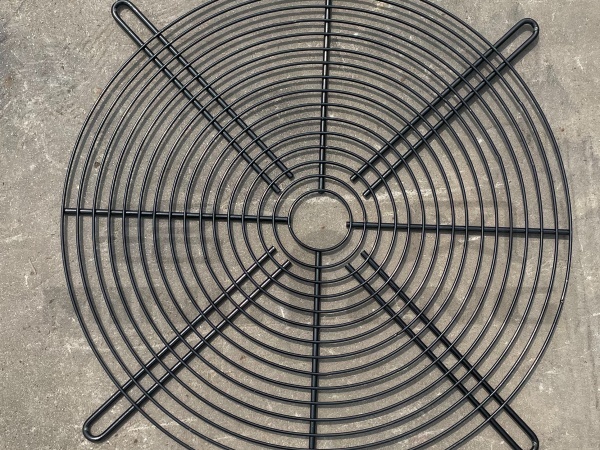
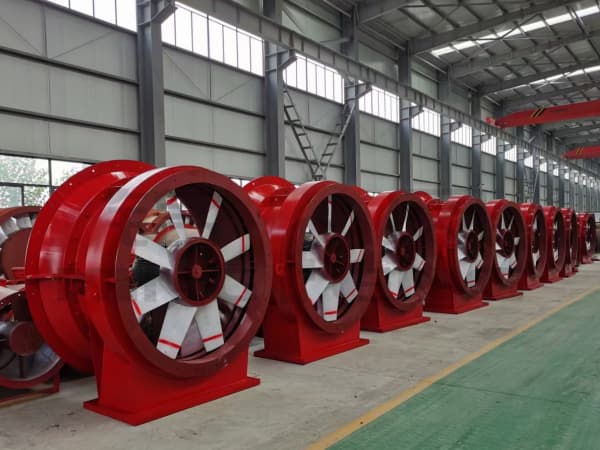
The impeller cover (inlet mesh cover) is installed on the outside of the fan impeller (mostly at the fan inlet) and is a safety protection component for the impeller. It is not the same accessory as t
01On site installation and debugging of equipment
02Regular follow-up visits
The impeller cover (inlet mesh cover) is installed on the outside of the fan impeller (mostly at the fan inlet) and is a safety protection component for the impeller. It is not the same accessory as the coupling cover and is often inspected for safety supervision and environmental impact assessment.
1、 Core role
1. Personal safety protection: prevent personnel from accidentally touching the high-speed rotating impeller with their hands or clothing; If the impeller breaks, it can prevent debris from being thrown out and avoid safety accidents.
2. Protect the impeller: block stones, welding slag, wood chips, and debris from being sucked into the fan, prevent hard objects from hitting and damaging the blades, prevent the impeller from colliding and deforming, and reduce vibration faults.
3. Coarse filtration protection: intercepts large particles and debris, reduces the entry of large foreign objects into the pipeline, and reduces the risk of subsequent pipeline and muffler blockage (cannot replace precision filters).
4. Auxiliary diversion: The mesh cover is designed with reasonable openings to minimize air inlet resistance and not significantly reduce fan airflow.
2、 Mainstream type
1. Metal wire mesh cover (most commonly used for industrial fans) is a circular steel wire welded mesh, which is lightweight, has low wind resistance, and is convenient for observing the impeller with the naked eye; Suitable for centrifugal fan inlet and axial flow fan.
2. The steel plate punching shield is formed by punching the entire steel plate, which has stronger rigidity, impact resistance, and is not easily deformed under dust conditions; Suitable for outdoor working conditions with particles.
3. Split splicing shield is assembled in half, fixed with bolts, and easy to disassemble for impeller maintenance. Large fans are preferred.
4. The louvered protective net combines rain and protection, and is used for outdoor installation of fans.
3、 Material
Q235 carbon steel: ordinary indoor working conditions, surface spray/galvanized rust prevention, the most cost-effective
304 stainless steel: humid, acidic and alkaline corrosive environment, chemical and food industries
Fiberglass reinforced plastic: anti-corrosion, insulation, explosion-proof ventilation fan
4、 Key parameters for selection
1. Outer diameter and flange size of fan inlet
2. Impeller diameter, reserved installation clearance
3. Working conditions: indoor/outdoor, dust, whether it is rainproof, explosion-proof requirements
4. Allow for wind resistance and mesh size (balancing safety and ventilation)
5、 Installation points
1. Adequate clearance should be reserved between the shield and the impeller, and friction with the rotating impeller is strictly prohibited to prevent blade rubbing, abnormal noise, and wear of the impeller.
2. The shield bracket must be firmly fixed on the flange of the fan housing and cannot be suspended or shaken.
3. The mesh size meets safety regulations to prevent fingers from touching the impeller.
4. Regularly clean the dust accumulation on the mesh cover. Excessive dust accumulation can increase air resistance and cause a decrease in fan airflow.
5. It is prohibited to remove the protective cover and turn on the machine while it is in operation.
6、 Common faults
1. Shield deformation: hard object impact, thin bracket, deformation rubbing against impeller, causing vibration and abnormal noise
2. Corrosion and damage: The carbon steel version has not been anti-corrosion treated, causing rusting and wire breakage in humid environments, and losing its protective ability
3. Severe blockage: dust accumulation, increased air inlet resistance, insufficient fan output
You can also contact us for more models and support customization

You only need one phone call
Leave the rest to us

The sales team will have a detailed discussion with you
Tell us your needs

Engineers based on your requirements
Provide a reasonable solution for the demand

We will do it within a reasonable time frame
Complete with quality and quantity assurance

Installation team on-site installation
Debugging until stable production

Any problems in the later stage are welcome
Contact the after-sales engineer
You can also contact us for more models and support customization
You only need one phone call. Leave the rest to us
The sales team will have a detailed discussion with you and tell us your needs
Engineers provide reasonable solutions based on your needs
We will complete it with high quality and quantity within a reasonable time
Installation team on-site installation, debugging until stable production
If there are any problems in the later stage, you can contact the after-sales engineer
 13806436798
Mobile