Industrial fan | Smart fan Overall solution service provider

Industrial fan | Smart fan Overall solution service provider


 13806436798
High pressure fan (high-pressure centrifugal fan/vortex high-pressure fan) refers to a fan that can provide high total pressure, divided into two categories: centrifugal high-pressure fan (industrial
01On site installation and debugging of equipment
02Regular follow-up visits
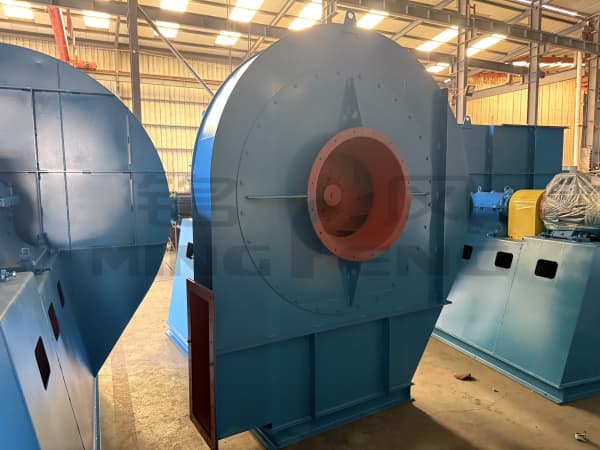
High pressure fan (high-pressure centrifugal fan/vortex high-pressure fan) refers to a fan that can provide high total pressure, divided into two categories: centrifugal high-pressure fan (industrial mainstream, 9-19, 9-26 series) and vortex high-pressure fan (annular high-pressure blower, air pump type), commonly used in material conveying, blast assisted combustion, pneumatic conveying, dust removal and back blowing, and equipment pressurization.
1、 Two major types
1. High pressure centrifugal fan (9-19/9-26, commonly known as high-pressure fan in the industrial fan industry)
Features: High wind pressure, moderate air volume, suitable for continuous industrial working conditions
9-19: Higher pressure, low flow, high pressure
9-26: The pressure is slightly lower, the air volume is larger, and the impeller adopts forward blades with high speed; Thickening of the shell. Applicable: Material pneumatic conveying, boiler primary air, kiln combustion assistance, bag filter pulse back blowing, powder feeding. The medium is generally ≤ 80 ℃, and wear-resistant spraying can be done under dust conditions.
2. Vortex high-pressure fan (annular blower, side flow air pump)
Small integrated, motor+impeller integrated; Small size, easy to install. Oil free clean air; Not suitable for high temperature smoke containing dust, prone to wear and tear. 👉 Applicable: aeration, adsorption, vacuum feeding, packaging equipment, small water drying.
Industry differentiation focus: Our fan factory specializes in industrial supporting projects, and customers increase their pressure fans, mostly referring to 9-19 and 9-26 high-pressure centrifugal fans.
2、 Structure (9-19/9-26 high-pressure centrifugal fan)
Shell (thickened steel plate), front curved impeller, air inlet, bearing box, main shaft, coupling, base
Impeller: forward multi wing blades, high speed, generating high pressure; Dust working condition surfacing wear-resistant layer
Shell: Thickened shell to withstand high pressure and prevent bulging and deformation
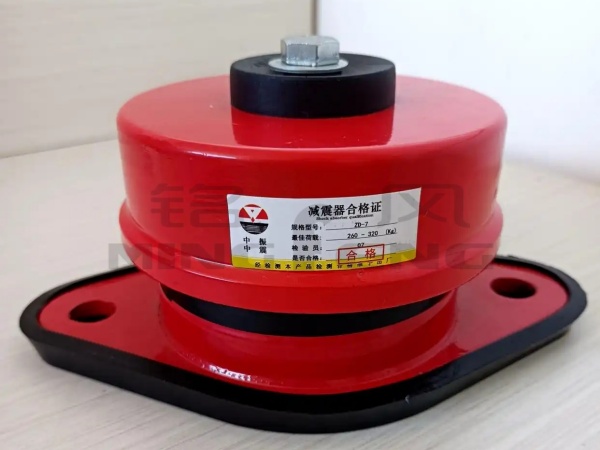
Bearing box: heavy-duty bearings, capable of withstanding high-speed operating loads. Supporting accessories include inlet and outlet soft connections, shock absorbers, coupling guards, inlet air dampers, mufflers, and variable frequency control cabinets
3、 Core Features
1. High pressure, much higher than ordinary 4-72 centrifugal fans under the same air volume
2. Forward curved impeller structure, compact volume; High speed, high vibration control requirements
3. Positive pressure feeding or negative pressure suction is available (pay attention to the strength of the shell when selecting negative pressure)
4. Can be matched with variable frequency speed regulation to adjust wind pressure and air volume
5. Dust working conditions are sensitive to impeller wear, and media containing particles must undergo wear-resistant treatment
4、 Material
Q235 carbon steel: ambient temperature air, clean gas, universal version
Q345: Heavy load, containing a small amount of dust
304 stainless steel: corrosive gas
5、 Key parameters for selection
1. Airflow, total pressure (core)
2. Medium: temperature, dust content, presence or absence of corrosiveness
3. Continuous running time
4. Usage scenario: Pneumatic conveying/Combustion assistance/Backblowing cleaning
5. Installation position: positive pressure air supply or negative pressure suction
6. Motor power, speed, and frequency conversion
6、 Installation points
1. Install spring shock absorbers on the base, with soft connections at the inlet and outlet to isolate vibrations
2. The pipeline must be supported independently, and the weight of the pipeline cannot compress the fan flange
3. Install a protective net at the air inlet to prevent debris from being sucked in and damaging the high-speed impeller
4. Install a filter at the front end of the dusty working condition to reduce particle erosion of the impeller
5. Sealing of flanges under high pressure conditions should be done well to prevent air leakage and pressure relief
7、 Common faults
1. Impeller wear: Dust erosion, dynamic balance disruption, high vibration
2. Bearing heating: High speed heavy load, poor lubrication
3. Shell leakage: Poor flange sealing, unable to increase pressure
4. Vibration exceeding the standard: dust accumulation on the impeller, poor alignment
You can also contact us for more models and support customization

You only need one phone call
Leave the rest to us

The sales team will have a detailed discussion with you
Tell us your needs

Engineers based on your requirements
Provide a reasonable solution for the demand

We will do it within a reasonable time frame
Complete with quality and quantity assurance

Installation team on-site installation
Debugging until stable production

Any problems in the later stage are welcome
Contact the after-sales engineer
You can also contact us for more models and support customization
You only need one phone call. Leave the rest to us
The sales team will have a detailed discussion with you and tell us your needs
Engineers provide reasonable solutions based on your needs
We will complete it with high quality and quantity within a reasonable time
Installation team on-site installation, debugging until stable production
If there are any problems in the later stage, you can contact the after-sales engineer
 13806436798
Mobile