Industrial fan | Smart fan Overall solution service provider

Industrial fan | Smart fan Overall solution service provider


 13806436798
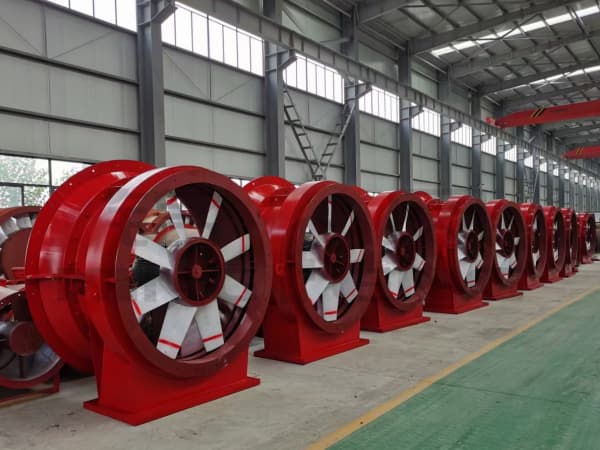
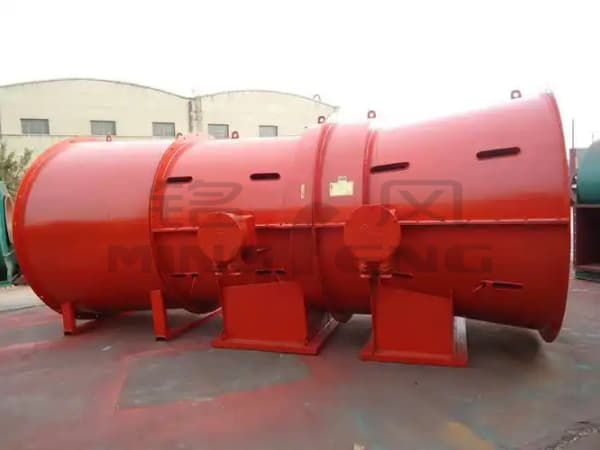
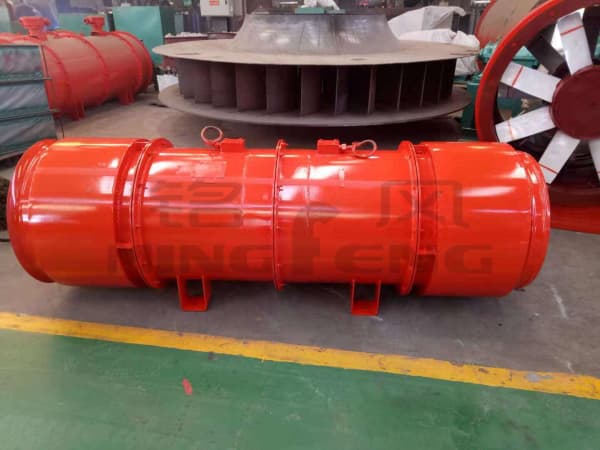
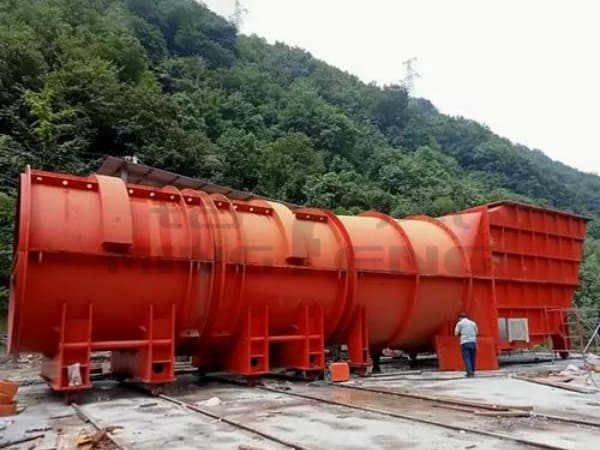
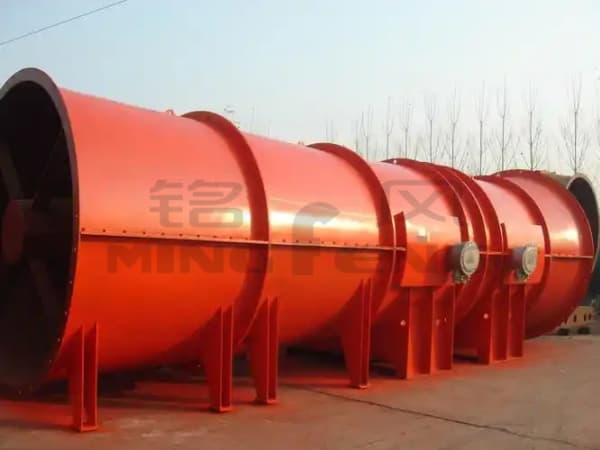
Mine fans are the core equipment of the mine ventilation system, known as the "respiratory system" of mines. They are specifically used for ventilation underground in coal mines and metal/non-metal mi
01On site installation and debugging of equipment
02Regular follow-up visits
Mine fans are the core equipment of the mine ventilation system, known as the "respiratory system" of mines. They are specifically used for ventilation underground in coal mines and metal/non-metal mines. Mine-entry fan models must be certified with MA coal safety certification and flameproof and explosion-proof design, and are used to deliver fresh air, exhaust gas, carbon monoxide, dust, and blasting fumes, ensuring the safety of personnel underground and preventing gas and coal dust explosion accidents.
1. Core functions
1. Supply fresh air to meet the breathing needs of personnel underground
2. Dilute and vent toxic and harmful gases such as methane and CO to prevent methane accumulation and explosion
3. Discharge rock dust and coal dust, reduce the risk of pneumoconiosis, and suppress coal dust explosions
4. Regulate the temperature and humidity underground; the main fan is equipped with a wind reversing function, which can reverse the airflow in case of a fire accident, facilitating disaster relief and risk avoidance
II. Three major categories (by purpose)
1. Main fan (main ventilator, FBCDZ/BFK series, ground-level machine room)
The entire mine or mining area is subject to general ventilation, operating continuously for 24 hours. Random shutdowns are strictly prohibited, and reversing the airflow is allowed.
It is mostly a counter-rotating axial flow fan with adjustable blade angles; it provides high air volume and high wind pressure
Coal mines must be explosion-proof, with one machine in operation and one standby, and equipped with air doors, silencers, and monitoring systems
Application: Air return in main shafts of coal mines, surface exhaust in large metal mines
2. Local ventilation fan (auxiliary fan, underground heading face, FBD/FBCD)
Specially designed for tunneling in single-end tunnels, equipped with air ducts for air supply, it is a standard configuration for mining and excavation work faces
FBD: Press-in type counter-rotating local fan, delivering fresh air into the heading (main flow in low-gas tunnel)
FBCD: Extractable counter-rotating local fan, which directly extracts gas-containing contaminated air. For high-gas and outburst mines, the counter-rotating structure is used: two-stage impellers rotate in opposite directions, providing high wind pressure and long-distance air supply. It is mandatory to use one in operation and one as standby
3. Auxiliary ventilator (auxiliary fan, K40/K45)
Pressurization and adjustment of pipe network resistance in underground tunnels are commonly used in metal mines to balance the airflow in tunnels
For metal mines without gas, ordinary K series axial fans can be used; for coal mines, all fans must be flameproof ExdI, and ordinary industrial fans are strictly prohibited from entering the mine
III. Structural form
1. Counter-rotating axial flow (mainstream for mining applications): Two sets of impellers rotate in opposite directions without complex flow guidance, resulting in high wind pressure and high efficiency. It is widely used in main fans and local fans
2. Single-stage axial flow (K40/K45): simple structure, adjustable blade angle, commonly used for main ventilation in non-coal mines
3. Mining centrifugal fan: high wind pressure, bulky in size, now less commonly used in mines
IV. Core Security Requirements (Key Points)
1. MA coal safety mark: mandatory qualification for underground coal mine equipment, no MA, no entry into the mine
2. Flameproof and explosion-proof motor ExdⅠ: The enclosure can withstand internal explosion pressure, and sparks will not ignite external gas; for metal mines, ExdⅡBT4 is selected according to working conditions
3. The air duct is flame-retardant and anti-static; the entire machine is wear-resistant and suitable for dusty environments
4. The main fan must be equipped with two standby units, capable of online monitoring and switching without stopping the fan; the local fan must be equipped with wind and gas electric interlocking
V. Supporting components (all accessories mentioned earlier can be used as supporting components)
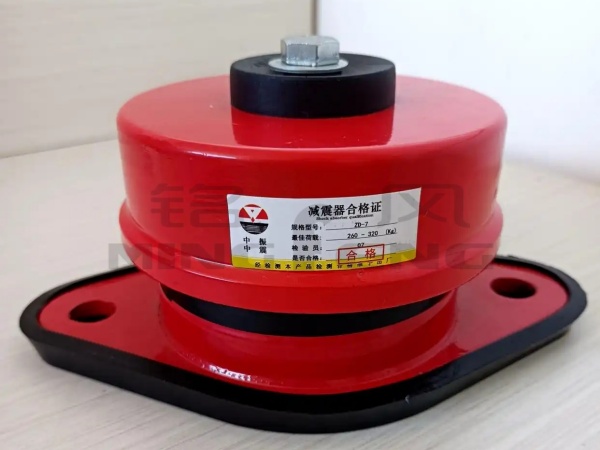
Explosion-proof motor, impeller, inlet air regulating valve, silencer, inlet and outlet flexible connection, shock absorber, coupling, shield, explosion-proof frequency converter, monitoring instrument, air duct, diffuser.
VI. Key parameters for model selection
1. Mine type: coal mine (explosion-proof MA)/general metal mine
2. Air volume, total pressure, and total resistance of the tunnel
3. Installation location: ground main fan / underground local fan; forced or exhaust type
4. Transmission medium: gas concentration, dust, temperature
5. Power supply: 6kV/380V, whether it is equipped with frequency conversion speed regulation and online monitoring
6. Anti-wind demand (essential for main fan)
VII. Common faults
1. Ash deposition and wear on the impeller, which disrupts dynamic balance and causes excessive vibration
2. Rusting of explosion-proof surface, leading to explosion-proof failure (a major hidden danger in coal mines)
3. Local fan circulation, air leakage in the air duct, insufficient air volume at the front, and gas exceeding the limit
4. Overheating of bearings and damaged seals
You can also contact us for more models and support customization

You only need one phone call
Leave the rest to us

The sales team will have a detailed discussion with you
Tell us your needs

Engineers based on your requirements
Provide a reasonable solution for the demand

We will do it within a reasonable time frame
Complete with quality and quantity assurance

Installation team on-site installation
Debugging until stable production

Any problems in the later stage are welcome
Contact the after-sales engineer
You can also contact us for more models and support customization
You only need one phone call. Leave the rest to us
The sales team will have a detailed discussion with you and tell us your needs
Engineers provide reasonable solutions based on your needs
We will complete it with high quality and quantity within a reasonable time
Installation team on-site installation, debugging until stable production
If there are any problems in the later stage, you can contact the after-sales engineer
 13806436798
Mobile