Industrial fan | Smart fan Overall solution service provider

Industrial fan | Smart fan Overall solution service provider


 13806436798
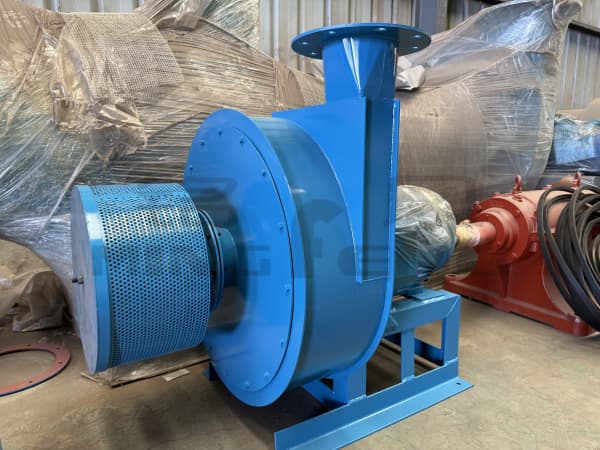
The meltblown fabric fan (specialized fan for meltblown non-woven fabric production line) is the two core air source equipment of the meltblown production line. It is divided into a three blade Roots
01On site installation and debugging of equipment
02Regular follow-up visits
The meltblown fabric fan (specialized fan for meltblown non-woven fabric production line) is the two core air source equipment of the meltblown production line. It is divided into a three blade Roots blower for stretching (positive pressure blowing) and a mesh curtain suction centrifugal/vortex fan (negative pressure adsorption), which directly determines the fiber fineness, fabric uniformity, and filtration efficiency. The cleanliness and pressure stability of the air source are the first indicators.
1、 Classification and Process Function
1. The stretching Roots blower (core host, tri blade Roots) provides stable high-pressure clean air, which is heated to 230-280 ℃ by the heater. High speed hot air flow is sprayed from the die slit to stretch the molten PP polypropylene into ultrafine fibers (1-5 μ m).
Pressure commonly used: 50-80kPa, high weight can reach 90-100kPa
Features: Volumetric constant flow, air volume remains almost unchanged when back pressure fluctuates; Oil free transportation to prevent oil mist pollution of meltblown fabrics, avoiding a decrease in filtration performance and yellowing of the fabric surface.
Not recommended for regular air compressors: oil mist, high pressure, requiring additional pressure reduction.
2. The net curtain negative pressure suction fan (centrifugal fan/vortex high-pressure fan) is arranged below the receiving net curtain, continuously drawing air to form negative pressure, adsorbing molten ultrafine fibers to the net curtain to prevent drifting and flying, accelerating fiber cooling and shaping, and controlling the uniform weight of the fabric surface.
Small and medium-sized production lines often use vortex air pumps; The wide production line adopts centrifugal negative pressure fans.
3. Auxiliary fan PP raw material vacuum feeding fan, negative pressure conveying polypropylene slices.
2、 Whole machine structure (Three Leaf Roots model)
Cast iron casing+precision three bladed rotor+synchronous gear+oil chamber+inlet and outlet muffler
Rotor: precision profile three bladed impeller, reducing airflow pulsation and stabilizing pressure
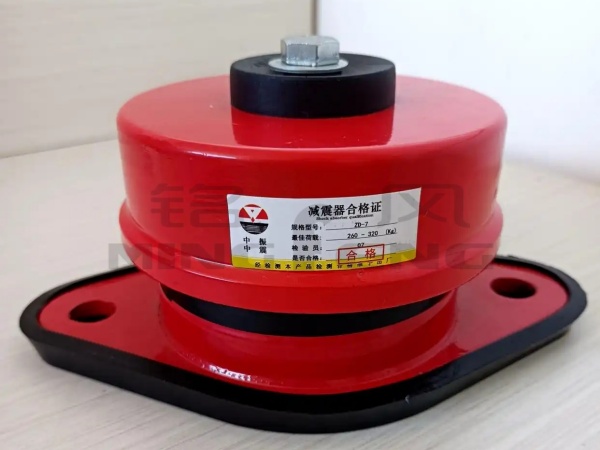
Sealing: Special oil seal/mechanical seal to prevent lubricating oil from entering the airflow and ensure clean air. Accessories: inlet and outlet muffler, air filter, safety valve, one-way valve, variable frequency motor, flexible soft connection, shock absorber base
3、 Core Features
1. Oil free clean gas source, no oil mist pollution, ensuring the filtration index of meltblown fabric
2. Constant flow rate, minimal change in air volume when the resistance of the pipeline fluctuates, and stable weight distribution of the fabric surface
3. Three leaf structure, low airflow pulsation, and lower noise
4. Variable frequency adjustable, matching different die widths and production speeds, energy-saving
5. Continuous long-term stable operation, suitable for 24-hour uninterrupted production lines
4、 Key parameters for selection
1. Usage: Mold head stretching positive pressure/Net curtain negative pressure suction/Raw material feeding
2. Mold width, production line speed, PP melt index
3. Airflow and outlet pressure (tension pressure is the core)
4. Is it frequency conversion control
5. Noise requirements, supporting noise reduction
5、 Installation points
1. Install an air filter at the inlet to filter out dust and impurities, protect the rotor, and prevent impurities from entering the mold head and blocking the nozzle holes
2. Import and export flexible soft connections, shock absorption, prevent pipeline stress from being transmitted to the fan body
3. Install shock-absorbing components on the base to reduce vibration and protect the precision mold head
4. Must be equipped with a safety valve, automatic overpressure relief, and protection for the fan and mold head
5. Install a one-way valve on the pipeline to prevent damage to the fan caused by high-temperature gas backflow during shutdown
6、 Common faults
1. The intake filter is clogged, the air volume decreases, the fabric surface is uneven, and there are broken threads
2. Seal damage, oil mist enters the mold head with air, the melt blown cloth contains oil, and the filtration efficiency is not qualified
3. Large pressure fluctuations, large airflow pulsations, and the appearance of floating threads and fabric stripes
4. Dust accumulation on the rotor, increased vibration and noise
5. Safety valve failure, overpressure damage to fan or mold head
You can also contact us for more models and support customization

You only need one phone call
Leave the rest to us

The sales team will have a detailed discussion with you
Tell us your needs

Engineers based on your requirements
Provide a reasonable solution for the demand

We will do it within a reasonable time frame
Complete with quality and quantity assurance

Installation team on-site installation
Debugging until stable production

Any problems in the later stage are welcome
Contact the after-sales engineer
You can also contact us for more models and support customization
You only need one phone call. Leave the rest to us
The sales team will have a detailed discussion with you and tell us your needs
Engineers provide reasonable solutions based on your needs
We will complete it with high quality and quantity within a reasonable time
Installation team on-site installation, debugging until stable production
If there are any problems in the later stage, you can contact the after-sales engineer
 13806436798
Mobile