Industrial fan | Smart fan Overall solution service provider

Industrial fan | Smart fan Overall solution service provider


 13806436798
The kiln fan is a supporting fan for the air and smoke system of ceramics, refractory materials, bricks and tiles, glass, powder calcination, and heat treatment kilns. It is divided into combustion su
01On site installation and debugging of equipment
02Regular follow-up visits
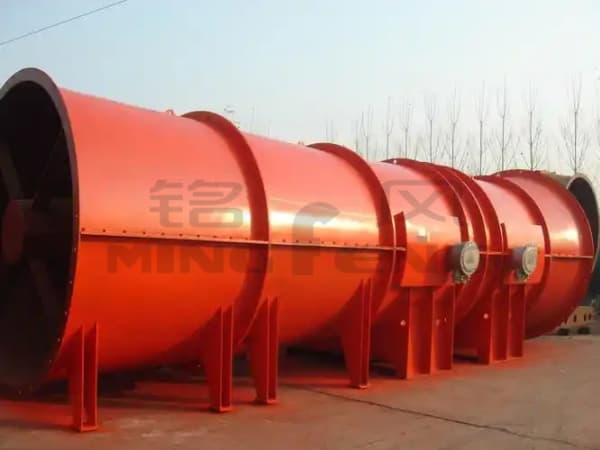
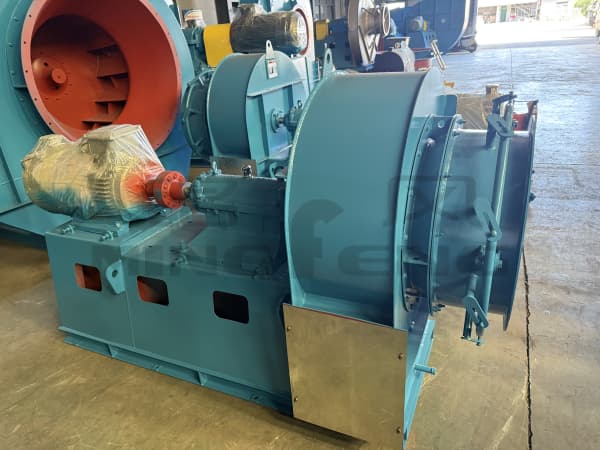
The kiln fan is a supporting fan for the air and smoke system of ceramics, refractory materials, bricks and tiles, glass, powder calcination, and heat treatment kilns. It is divided into combustion supporting fan, kiln tail induced draft fan, cooling fan, and circulating fan. Characteristics of working conditions: high temperature, smoke containing dust and sulfides, some containing corrosive gases, requiring stable pressure, high temperature resistance, and continuous operation.
1、 Classification and Process Application
1. The combustion assisting fan (9-19, 9-26 high-pressure centrifugal fan) delivers combustion assisting air into the kiln to ensure complete combustion of the fuel and stabilize the temperature field inside the kiln; Clean air at room temperature requires stable air pressure. Natural gas, coal gas, and heavy oil kilns are all required.
2. The kiln tail induced draft fan (mainly W4-72 high-temperature centrifugal fan) is arranged at the kiln tail to extract high-temperature flue gas under negative pressure, maintain the negative pressure inside the kiln, and prevent flue gas from overflowing from the cracks of the kiln body. The medium is 180-350 ℃, containing dust and sulfur oxides, making it the most demanding fan in the kiln system operating conditions.
3. The hot air circulation fan in the kiln trolley kiln and push plate kiln circulates the hot air inside, making the temperature inside the kiln uniform, reducing temperature differences, and ensuring the quality of product firing.
4. Cooling fan is used to supply air to the rapid cooling zone at the kiln tail, quickly cooling the products; Generally at room temperature and low pressure.
2、 Whole machine structure
Thickened casing+impeller+extended cooling spindle+bearing box+common base
Impeller: clean air Q235; High temperature dusty Q345; 304/310S heat-resistant stainless steel is selected for sulfur-containing corrosive flue gas; Hard dust working conditions can be wear-resistant by tungsten carbide welding.
Spindle: Extend the heat dissipation section to block high temperature conduction; The high-temperature bearing box is equipped with an air-cooled/water-cooled structure to protect the bearings.
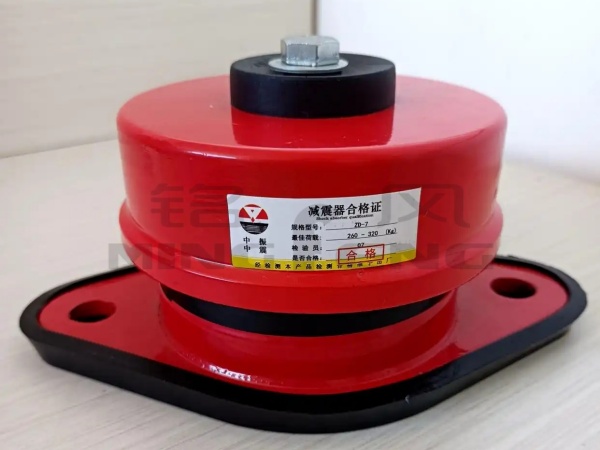
Sealing: Maze seal, blocking high-temperature flue gas from entering the bearing box. Accessories: High temperature soft connection, spring shock absorber, imported air damper, muffler, variable frequency control cabinet.
3、 Core Features
1. High temperature resistant structural design, optional air-cooled/water-cooled bearings, capable of long-term transportation of high-temperature flue gas
2. Stable wind pressure, maintaining stable negative pressure inside the kiln, ensuring the firing process, and controllable color difference of the product
3. Wear resistant and corrosion-resistant options, suitable for dust and sulfur-containing flue gas
4. Support variable frequency speed regulation, adjust air volume according to kiln temperature and combustion load, save energy consumption
5. Can operate continuously for 24 hours without interruption, suitable for continuous roller kiln and tunnel kiln production
4、 Applicable industries
Ceramic roller kiln, refractory tunnel kiln, brick and tile kiln, glass annealing kiln, powder calcination kiln, heat treatment trolley kiln.
5、 Material selection
Room temperature combustion air: Q235 carbon steel
High temperature flue gas at 200-350 ℃: Q345 or 304 stainless steel
High temperature above 350 ℃: 310S heat-resistant stainless steel
Sulfuric acid containing flue gas: 316L
6、 Key parameters for selection
1. Usage: Combustion assistance/kiln tail induced draft/hot air circulation/rapid cooling
2. Airflow, total pressure
3. Medium temperature, dust content, smoke composition (SO ₂, etc.)
4. Kiln type: Roller kiln/Tunnel kiln/Trolley kiln
5. Is it frequency conversion regulation
6. Whether the medium contains corrosive components
7、 Installation points
1. High temperature pipelines are equipped with high-temperature fluorine tape soft connections to absorb thermal expansion displacement and isolate vibration
2. Pipeline independent support, pipeline weight strictly prohibited from pressing fan flange
3. The flange of the negative pressure system at the kiln tail is tightly sealed, and air leakage will reduce kiln temperature, increase energy consumption, and exacerbate dew point corrosion
4. The base is equipped with spring shock absorbers to reduce vibration and noise
5. Startup sequence: Start the fan first, then raise the temperature; Stop the machine first to cool down, then stop the fan to prevent the bearings from being damaged by residual heat
8、 Common faults
1. High temperature flue gas with dust erosion, impeller wear, and excessive vibration
2. Thermal conduction leads to excessive bearing temperature and lubrication failure
3. The condensation of flue gas produces acidic condensate water, and the impeller shell corrodes and punctures
4. The impeller accumulates dust and scale, and the dynamic balance is unbalanced
5. Soft connection, high temperature aging and cracking, smoke leakage
You can also contact us for more models and support customization

You only need one phone call
Leave the rest to us

The sales team will have a detailed discussion with you
Tell us your needs

Engineers based on your requirements
Provide a reasonable solution for the demand

We will do it within a reasonable time frame
Complete with quality and quantity assurance

Installation team on-site installation
Debugging until stable production

Any problems in the later stage are welcome
Contact the after-sales engineer
You can also contact us for more models and support customization
You only need one phone call. Leave the rest to us
The sales team will have a detailed discussion with you and tell us your needs
Engineers provide reasonable solutions based on your needs
We will complete it with high quality and quantity within a reasonable time
Installation team on-site installation, debugging until stable production
If there are any problems in the later stage, you can contact the after-sales engineer
 13806436798
Mobile