Industrial fan | Smart fan Overall solution service provider

Industrial fan | Smart fan Overall solution service provider


 13806436798
High temperature fans (high-temperature resistant centrifugal fans) are specialized in transporting high-temperature gases and are widely used in kilns, heat treatment, incinerators, drying lines, cem
01On site installation and debugging of equipment
02Regular follow-up visits
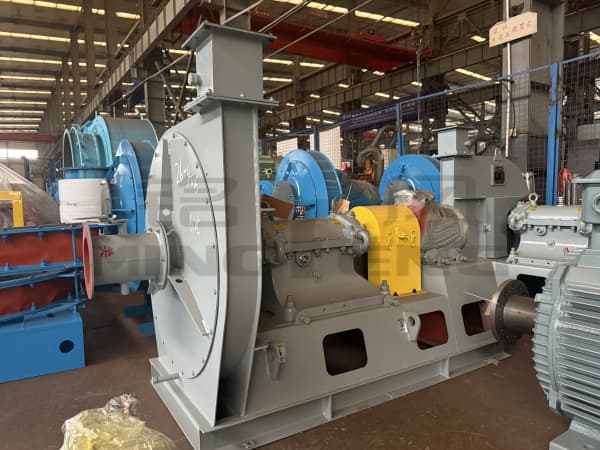
High temperature fans (high-temperature resistant centrifugal fans) are specialized in transporting high-temperature gases and are widely used in kilns, heat treatment, incinerators, drying lines, cement, chemical, boiler and other working conditions. The core difficulties include high temperature resistance, heat deformation resistance, and prevention of bearing overheating. They are specialized equipment for industrial high-temperature flue gas circulation and hot air transportation.
1、 Working principle
Belonging to centrifugal fans, the principle is the same as ordinary centrifugal fans; The focus is on structural insulation and heat dissipation design to avoid direct transmission of high temperatures to the spindle and bearing housing, ensuring that the bearings operate within the allowable temperature range.
2、 Mainstream classification
1. General high-temperature fan (W4-72 series most commonly used) medium temperature: 200-350 ℃ hot air circulation, drying equipment, small kiln exhaust gas, with air-cooled bearing seat.
2. Medium to high temperature fan (W9-19/W9-26) medium temperature: 350-500 ℃ for cement kilns, incinerators, and heat treatment furnaces. The impeller is made of heat-resistant steel.
3. Ultra high temperature special fans with media above 500 ℃ require water-cooled bearings and heat-resistant stainless steel/chromium nickel alloy for the entire machine. They are commonly used in metallurgy and high-temperature incineration conditions.
Differentiation: Boiler induced draft fan belongs to one type of high-temperature fan; But high-temperature fans have a wider range of applications, not limited to boilers.
3、 Core structural characteristics
1. Impeller
200-350 ℃: Q345, heat-resistant carbon steel
Above 350 ℃: 304, 310S, Cr25Ni20 heat-resistant stainless steel blades are mostly bent back, and are not easily deformed at high temperatures; Dust working conditions can be used for wear-resistant welding.
2. The casing is made of Q235 or heat-resistant steel plate, with a thick plate structure and reserved thermal expansion allowance to prevent high-temperature bulging and cracking.
3. Bearing box (the most critical component of high-temperature fan)
Air cooled type: equipped with a cooling fan to dissipate the heat from the bearing, commonly used for temperatures ≤ 350 ℃
Water cooled type: Cooling water circulation cooling bearings, standard for high temperature conditions above 350 ℃
Core design: Extend the spindle (heat dissipation section), isolate the high-temperature casing from the bearing box, and block heat conduction.
4. Sealed graphite seal and labyrinth seal prevent high-temperature hot air from leaking out of the spindle gap.
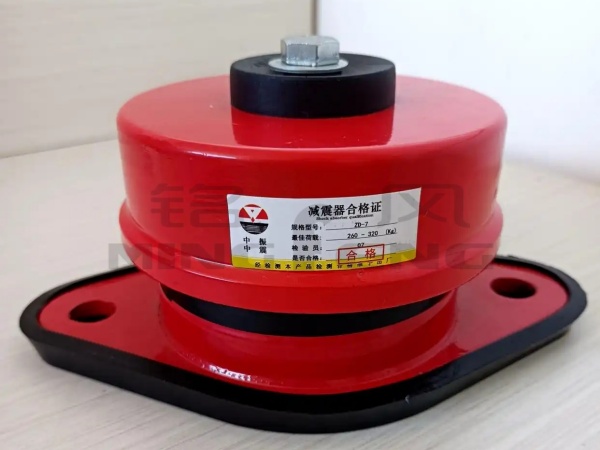
5. Supporting equipment: imported air damper, high-temperature soft connection, muffler, shock absorber base
4、 Material Comparison Table
≤ 250 ℃: Q235 carbon steel impeller
250-350 ℃: Q345 heat-resistant steel plate
350-500 ℃: 304 stainless steel
Above 500 ℃: 310S, chromium nickel alloy
5、 Key parameters for selection
Medium temperature (the most important indicator); Airflow and total pressure; Medium composition: containing dust, water vapor, and acidic corrosive flue gas; Continuous operating duration; Bearing cooling method: air-cooled/water-cooled; Working condition: positive pressure conveying or negative pressure suction; Do you need wear and corrosion resistance
6、 Installation points
1. High temperature operation will generate thermal expansion, and the inlet and outlet must be equipped with high-temperature special soft connections. Hard docking is strictly prohibited, otherwise the shell will be cracked by thermal expansion and the bearings will be damaged.
2. The pipeline has an independent support, and the weight of the pipeline cannot compress the fan.
3. Water cooled models must ensure the pressure and flow rate of the cooling water, as a lack of water can easily burn the bearings.
4. Startup sequence: Start the fan first, then raise the temperature; Shutdown first to cool down, then stop the fan to prevent high temperature from staying and damaging the impeller and seal.
5. The base is equipped with spring shock absorbers; Install soft connections for import and export to isolate vibrations.
7、 Common faults
1. High bearing temperature: insufficient cooling, thermal insulation failure of the long shaft section, and poor high-temperature resistance of the lubricating grease
2. Impeller deformation: Overtemperature operation, substandard material, thermal deformation, rapid increase in vibration
3. Hot air leakage at the seal: labyrinth/graphite seal wear
4. Shell weld cracking: insufficient thermal expansion compensation, pipeline hard pulling
5. Corrosion and wear: High temperature flue gas carrying sulfur and dust, blade erosion and corrosion
You can also contact us for more models and support customization

You only need one phone call
Leave the rest to us

The sales team will have a detailed discussion with you
Tell us your needs

Engineers based on your requirements
Provide a reasonable solution for the demand

We will do it within a reasonable time frame
Complete with quality and quantity assurance

Installation team on-site installation
Debugging until stable production

Any problems in the later stage are welcome
Contact the after-sales engineer
You can also contact us for more models and support customization
You only need one phone call. Leave the rest to us
The sales team will have a detailed discussion with you and tell us your needs
Engineers provide reasonable solutions based on your needs
We will complete it with high quality and quantity within a reasonable time
Installation team on-site installation, debugging until stable production
If there are any problems in the later stage, you can contact the after-sales engineer
 13806436798
Mobile