Industrial fan | Smart fan Overall solution service provider

Industrial fan | Smart fan Overall solution service provider


 13806436798
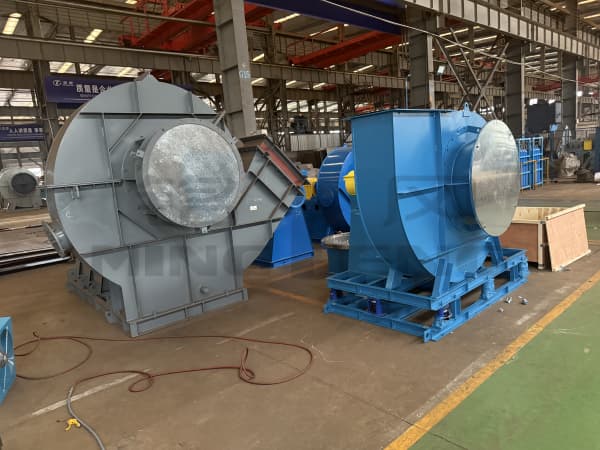
The dust removal fan is the power core of the dust removal system, generally arranged at the rear end of the dust collector (negative pressure suction), to suck the dust containing gas into the dust c
01On site installation and debugging of equipment
02Regular follow-up visits
The dust removal fan is the power core of the dust removal system, generally arranged at the rear end of the dust collector (negative pressure suction), to suck the dust containing gas into the dust collector for purification and discharge. There are also pre installed positive pressure dust removal fans, and centrifugal type is mainly used in the industry.
1、 Working principle
The fan generates negative pressure, driving the flow of dust and air inside the pipeline; The dusty flue gas first enters the bag/cyclone dust collector, where the dust is intercepted. The purified gas is then discharged into the atmosphere through the dust removal fan.
Mainstream layout: The dust collector is placed in front of the fan, and the purified clean gas enters the fan, greatly reducing impeller wear; Simple working condition: fan front (positive pressure), dust containing gas directly passes through the fan, which requires wear-resistant treatment.
2、 Common models
4-72: Small and medium-sized dust removal, low dust concentration working conditions, with the strongest universality
5-47/6-48: Medium pressure dust removal fan, standard for industrial dust removal
9-19, 9-26: High pressure version, long pipeline, high pipeline resistance, pulse dust removal and back blowing
Explosion proof B4-72: Dust removal system for flammable and explosive dust such as coal powder and aluminum powder
3、 Whole machine structure
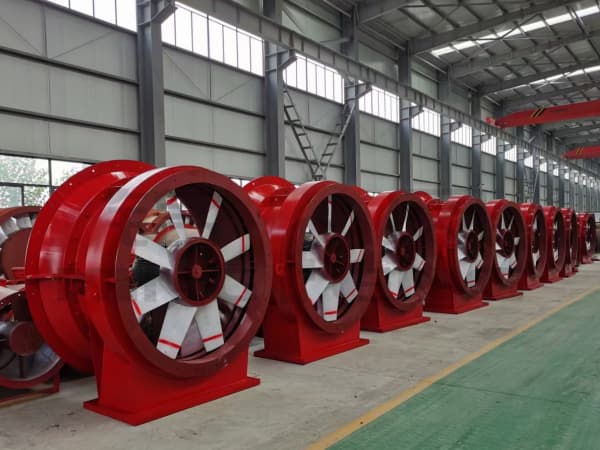
Shell+impeller+air inlet+bearing box+base
Impeller: mostly with rear curved blades; Pre positive pressure high dust working condition, impeller welded with tungsten carbide wear-resistant layer
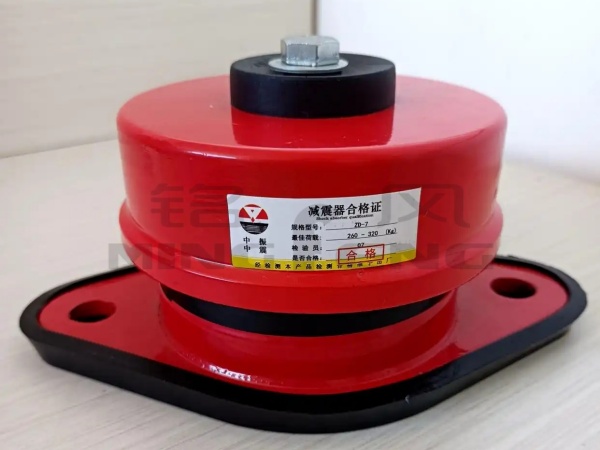
Shell: Q235 steel plate, thickened treatment, wear-resistant plate can be attached to the dust flushing position. Supporting accessories: inlet and outlet soft connection, spring shock absorber, inlet air damper, muffler, coupling guard, variable frequency control cabinet, impeller guard
4、 Core Features
1. Designed for dust working conditions, anti dust erosion and wear-resistant options are available
2. Negative pressure suction is the main method, with high sealing requirements to prevent external air leakage and reduce dust removal efficiency
3. Stable operation, able to work continuously for 24 hours for a long time
4. Variable frequency speed regulation, adjusting air volume according to dust concentration, energy-saving and consumption reducing
5. Explosion proof models meet the safety regulations for combustible dust workshops
5、 Applicable scenarios
Bag dust removal, cyclone dust removal, woodworking dust removal, polishing dust removal, mining crushing dust removal, sand and gravel production line, powder workshop, boiler dust removal matching.
6、 Key parameters for selection
1. Airflow, total pressure (total resistance of pipeline+dust collector)
2. Dust concentration, particle hardness
3. Fan installation position: Negative pressure rear (clean gas)/Positive pressure front (dusty gas)
4. Medium temperature, presence of water vapor and corrosive gases
5. Is it flammable and explosive dust that requires explosion-proof motors
6. Adjustment method: imported air damper/frequency converter
7、 Installation points
1. The flange seal of the negative pressure system must be tight to prevent air leakage, which will reduce the processing capacity of the dust collector
2. Install spring shock absorbers on the base, with non-metallic soft connections at the inlet and outlet to isolate vibration
3. Pipeline independent support, the weight of the pipeline shall not be pressed on the fan flange
4. Install a protective net at the air inlet to prevent large debris from being sucked in and damaging the impeller
5. Regularly clean the dust accumulation on the impeller. Uneven dust accumulation can disrupt dynamic balance and cause excessive vibration
8、 Common faults
1. Impeller wear: positive pressure arrangement, long-term erosion by hard dust, thinning and perforation of blades
2. Dust and scale accumulation on the impeller, imbalance of dynamic balance, and excessive vibration
3. Bearing heating: Dust enters the bearing box through the seal, causing lubrication failure
4. Shell wear through: The shell is not thickened, and dust continues to wash away
5. Insufficient system air volume: flange leakage, pipeline blockage
You can also contact us for more models and support customization

You only need one phone call
Leave the rest to us

The sales team will have a detailed discussion with you
Tell us your needs

Engineers based on your requirements
Provide a reasonable solution for the demand

We will do it within a reasonable time frame
Complete with quality and quantity assurance

Installation team on-site installation
Debugging until stable production

Any problems in the later stage are welcome
Contact the after-sales engineer
You can also contact us for more models and support customization
You only need one phone call. Leave the rest to us
The sales team will have a detailed discussion with you and tell us your needs
Engineers provide reasonable solutions based on your needs
We will complete it with high quality and quantity within a reasonable time
Installation team on-site installation, debugging until stable production
If there are any problems in the later stage, you can contact the after-sales engineer
 13806436798
Mobile