Industrial fan | Smart fan Overall solution service provider

Industrial fan | Smart fan Overall solution service provider


 13806436798
Drying fan (specialized hot air fan for drying) is a supporting air supply equipment for various drying production lines, which transports hot air or extracts wet steam for the drying system. It is wi
01On site installation and debugging of equipment
02Regular follow-up visits
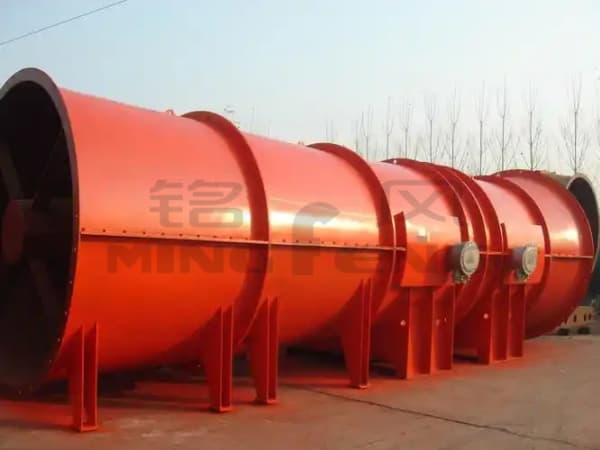
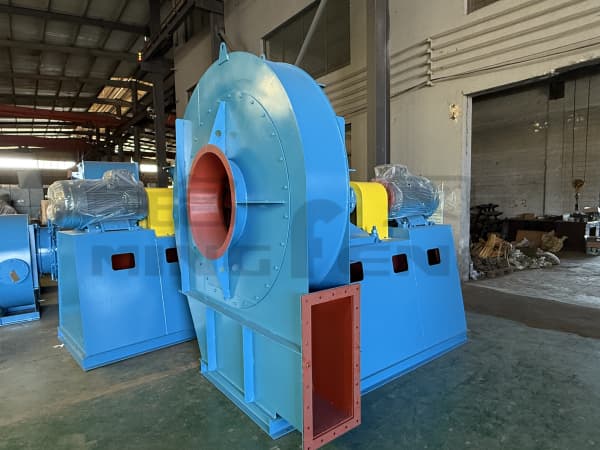
Drying fan (specialized hot air fan for drying) is a supporting air supply equipment for various drying production lines, which transports hot air or extracts wet steam for the drying system. It is widely used in food, wood, building materials, chemical, sludge, and grain drying main lines, and is divided into two categories: hot air circulation fan and dehumidification induced draft fan.
1、 Classification and Usage
1. The hot air circulation fan (drying host circulation fan) is installed inside the drying oven/air duct to promote the circulation of hot air in the drying chamber, making the temperature uniform and improving the drying efficiency; The medium is generally 80-250 ℃. 👉 Wood drying, sludge drying, medicinal herb drying, spray drying room.
2. The dehumidification induced draft fan extracts high humidity exhaust gas generated by drying under negative pressure, carries away water vapor, and controls the humidity of the drying room; Gas contains water vapor and a small amount of dust, which is prone to condensation. 👉 Grain drying and building material drying assembly line.
Many high-temperature drying fans use the W4-72 high-temperature fan series.
2、 Whole machine structure
Shell+impeller+air inlet+extended cooling spindle+bearing box+base
Impeller: Q345/304 stainless steel; Priority should be given to stainless steel in humid and corrosive water vapor conditions to prevent rusting.
Spindle: Extend the heat dissipation section to block the conduction of high temperature to the bearings; High temperature bearing box with air-cooled/water-cooled heat dissipation.
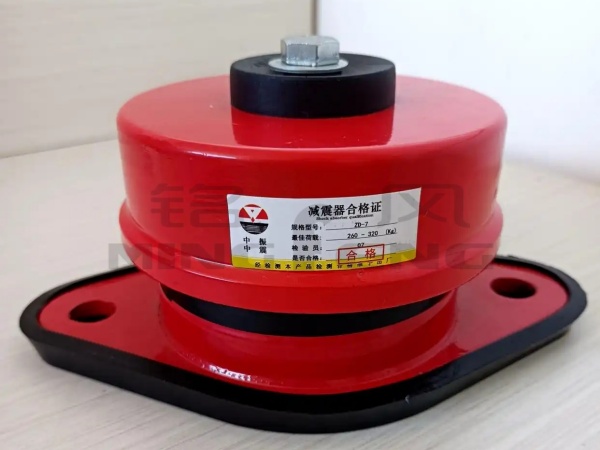
Sealing: Maze seal, making it difficult for humid and hot gases to enter the bearing. Accessories: High temperature resistant soft connection, spring shock absorber, air damper, muffler, variable frequency control cabinet.
3、 Core Features
1. High temperature resistant design, capable of long-term continuous delivery of hot air; Optional air-cooled/water-cooled bearings to avoid bearing burnout due to high temperatures
2. Waterproof and rust resistant, optimizing materials for steam and condensation generated during drying
3. High air volume and low noise, hot air circulation ensures uniform temperature field in the drying room
4. Support variable frequency speed regulation, adjust air volume, control drying speed, energy-saving
5. Suitable for clean hot air, as well as wet exhaust gases with small amounts of dust and water vapor
4、 Material selection
≤ 150 ℃, clean hot air: Q235 carbon steel impeller
150-250 ℃, moisture content: 304 stainless steel impeller
Acidic condensed water vapor: 316L stainless steel
5、 Key parameters for selection
1. Fan usage: Hot air circulation/dehumidification induced draft
2. Airflow, total pressure
3. Medium temperature
4. Media composition: water vapor, dust, presence or absence of acidic condensed water
5. Continuous operation duration (most drying lines run for 24 hours)
6. Installation form: Internal/external air duct in the box
6、 Installation points
1. High temperature working conditions with soft connections made of high-temperature silicone rubber/fluorine tape for import and export, compensating for thermal expansion
2. Pipeline independent support, pipeline weight cannot press fan flange
3. Insulate the ducts of the dehumidification fan to reduce the condensation of water droplets on the pipe wall
4. Install shock absorbers on the base and isolate vibration through soft connections at the inlet and outlet
5. Startup sequence: Start the fan first, then raise the temperature; Stop the machine first to cool down, then stop the fan to prevent residual heat from damaging the bearings and seals
7、 Common faults
1. Condensed water causes rusting and scaling of the impeller, disruption of dynamic balance, and increased vibration
2. Bearing overheating: insufficient heat dissipation, high temperature conduction
3. Wet gas seeps into the bearing, causing grease emulsification to fail
4. Air duct blockage, insufficient air volume, and decreased drying efficiency
5. Soft connection, high temperature aging and damage
You can also contact us for more models and support customization

You only need one phone call
Leave the rest to us

The sales team will have a detailed discussion with you
Tell us your needs

Engineers based on your requirements
Provide a reasonable solution for the demand

We will do it within a reasonable time frame
Complete with quality and quantity assurance

Installation team on-site installation
Debugging until stable production

Any problems in the later stage are welcome
Contact the after-sales engineer
You can also contact us for more models and support customization
You only need one phone call. Leave the rest to us
The sales team will have a detailed discussion with you and tell us your needs
Engineers provide reasonable solutions based on your needs
We will complete it with high quality and quantity within a reasonable time
Installation team on-site installation, debugging until stable production
If there are any problems in the later stage, you can contact the after-sales engineer
 13806436798
Mobile