Industrial fan | Smart fan Overall solution service provider

Industrial fan | Smart fan Overall solution service provider


 13806436798
The desulfurization and denitrification fan is the power core of the entire environmental protection system for boiler, kiln, and steel sintering flue gas treatment. It is divided into three categorie
01On site installation and debugging of equipment
02Regular follow-up visits
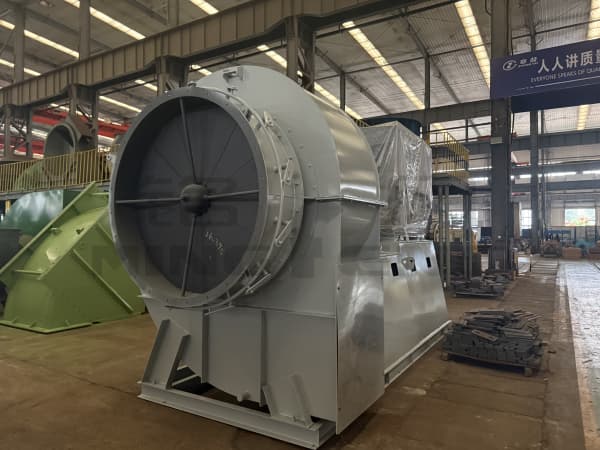
The desulfurization and denitrification fan is the power core of the entire environmental protection system for boiler, kiln, and steel sintering flue gas treatment. It is divided into three categories: flue gas boosting induced draft fan, desulfurization oxidation fan, and denitrification dilution fan. The medium contains SO ₂ NOx、 Chloride ions, dust, wet flue gas, anti-corrosion, anti condensation, and wear resistance are core indicators to ensure that flue gas emissions meet standards.
1、 Classification and Process Application
1. The desulfurization and denitrification booster induced draft fan (Y4-73/Y5-51 centrifugal fan, most commonly used) is arranged at the rear end of the dust removal and desulfurization tower. It extracts purified flue gas under negative pressure, overcomes the resistance of the desulfurization tower, flue, and defogger, and sends the flue gas into the chimney for discharge. Medium characteristics: Low temperature wet flue gas, chloride ions, highly prone to condensation and corrosion. 👉 Boiler, cement, steel furnace flue gas main channel.
2. The desulfurization oxidation fan (Roots/air suspension/magnetic levitation blower) blows air into the desulfurization tower slurry pool to oxidize calcium sulfite into calcium sulfate, generating gypsum by-product, which is essential for wet desulfurization. High pressure, stable airflow, oil-free clean air output to prevent catalyst poisoning.
3. The denitration dilution fan (centrifugal high-pressure fan) is specifically designed for SCR denitration, delivering clean air to dilute ammonia gas, controlling the ammonia concentration within a safe range, and spraying it into the flue to react with NOx. The medium is clean air at room temperature, with extremely high requirements for air flow stability.
2、 Whole machine structure
Shell+anti-corrosion impeller+air inlet+bearing box+common base
Impeller: 304/316L stainless steel; 2205 duplex steel is selected for high chloride ion working conditions; Wear resistant welding under dusty working conditions
Shell: Q235 lined rubber/stainless steel; Key anti-corrosion measures in the wet flue gas section to prevent low-temperature dew point corrosion
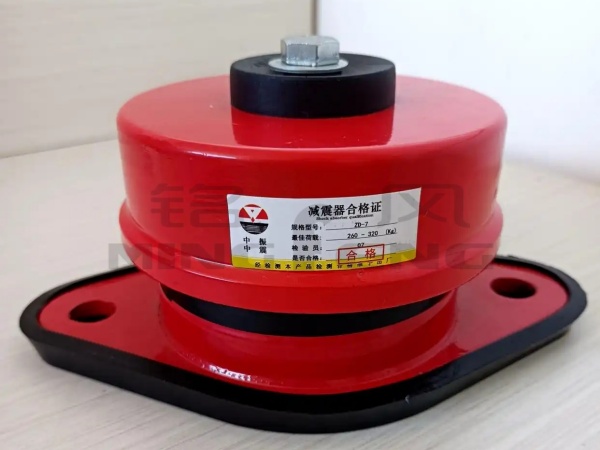
Sealing: Maze+Fluororubber Composite Seal, Preventing Wet Smoke from Entering the Bearing Box. Accessories: Fluororubber Anti Corrosion Soft Connection, Spring Shock Absorber, Imported Air Regulating Valve, Muffler, Variable Frequency Control Cabinet, Temperature and Vibration Online Monitoring
3、 Core Features
1. Resistance to Dew Point Corrosion: Chlorine containing condensed water is released during flue gas cooling, and ordinary carbon steel quickly punctures, requiring the use of anti-corrosion materials
2. Can run continuously for 24 hours, environmental online monitoring cannot be stopped
3. Variable frequency speed regulation, automatically adjusting air volume according to boiler/kiln load, reducing power consumption
4. The oxidation and dilution fan outputs clean and oil-free air to protect the denitrification catalyst from poisoning
5. High standard dynamic balancing of impellers at the factory reduces excessive vibration caused by wet flue gas and dust accumulation
4、 Material selection
Clean dilution air: Q235 carbon steel
Wet flue gas, low chloride ion: 304 stainless steel
High chloride ion desulfurization flue gas: 316L/2205 duplex steel
Containing dust and corrosion: stainless steel+tungsten carbide wear-resistant overlay welding
5、 Key parameters for selection
1. Fan type: smoke boosting induced draft/desulfurization oxidation/denitrification dilution
2. Airflow, total pressure
3. Smoke temperature, presence of dew point condensation, chloride ion content
4. Dust concentration
5. Do you need frequency conversion and online monitoring of vibration/temperature
6. Does the medium contain ammonia or sulfides
6、 Installation points
1. Insulation of wet flue gas pipelines to reduce condensation on pipe walls; Fluororubber anti-corrosion soft connection for import and export, compensating for thermal expansion and vibration isolation
2. Pipeline independent support, pipeline load not pressing fan flange
3. The flange seal of the negative pressure flue gas system must be tight to prevent air leakage, which will increase system resistance and exacerbate condensation corrosion
4. The base is equipped with spring shock absorbers to reduce solid sound transmission and meet environmental impact assessment noise reduction requirements
5. Install a filter at the inlet of the oxidation fan to ensure clean and oil-free air
7、 Common faults
1. Dew point corrosion: The flue gas temperature is below the dew point, the condensed water carries chloride ions, and the shell and impeller are corroded and perforated (the highest fault occurrence)
2. The impeller is stuck with gypsum and accumulated dust, causing imbalance in dynamic balance and soaring vibration
3. Bearing water emulsification, lubrication failure, bearing high temperature
4. The defogger carries water, and water droplets directly wash the impeller, accelerating wear and corrosion
5. Fluctuations in dilution fan airflow, uneven ammonia mixing, decreased denitrification efficiency, and excessive ammonia escape
You can also contact us for more models and support customization

You only need one phone call
Leave the rest to us

The sales team will have a detailed discussion with you
Tell us your needs

Engineers based on your requirements
Provide a reasonable solution for the demand

We will do it within a reasonable time frame
Complete with quality and quantity assurance

Installation team on-site installation
Debugging until stable production

Any problems in the later stage are welcome
Contact the after-sales engineer
You can also contact us for more models and support customization
You only need one phone call. Leave the rest to us
The sales team will have a detailed discussion with you and tell us your needs
Engineers provide reasonable solutions based on your needs
We will complete it with high quality and quantity within a reasonable time
Installation team on-site installation, debugging until stable production
If there are any problems in the later stage, you can contact the after-sales engineer
 13806436798
Mobile